In the current swimwear market, "Sustainability" is no longer just a buzzword—it is a baseline expectation. Millennial and Gen Z parents are willing to pay a premium for products that align with their values. However, when it comes to children's swimwear, eco-friendliness is only half the battle.
For brand owners, the stakes are incredibly high. A bikini might be made from recycled plastic bottles, but if the dyes contain heavy metals or the design poses a choking hazard, the "eco-friendly" label becomes irrelevant.
As a professional swimwear manufacturer helping global brands scale, we know that Safety and Sustainability must go hand in hand. In this guide, we will walk you through exactly how to source kids' swimwear that is safe for the planet—and safe for the little ones wearing it.
(Why your factory choice matters more than your design)
When sourcing for adults, you focus on style. When sourcing for kids, you must focus on chemical and physical safety. Children’s skin is thinner and more absorbent than adults’, making them more vulnerable to toxic substances found in low-quality textiles.
To ensure your brand is compliant with international regulations (like CPSIA in the US or REACH in Europe), your manufacturer must adhere to the following standards:
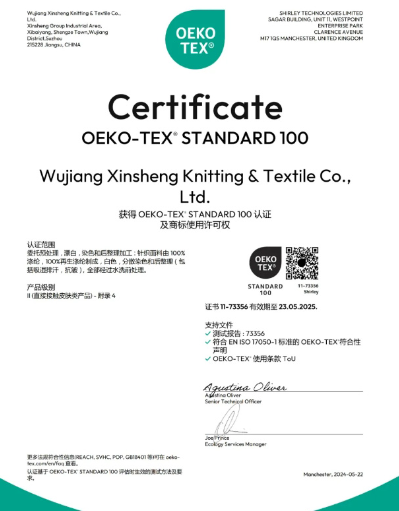
This is the gold standard for textile safety. However, not all OEKO-TEX certifications are the same. For kids' swimwear (especially for toddlers and babies), you need to look for Class I certification.
What it means: The fabric has been tested for harmful substances like formaldehyde, azo dyes, and heavy metals.
Why it matters: It guarantees the fabric is chemically safe for direct contact with baby skin.
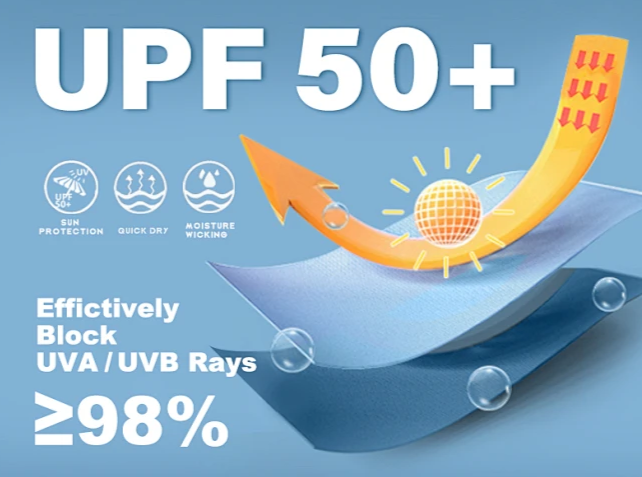
Parents buy swimwear to protect their kids. Standard fabric blocks some UV rays, but high-quality kids' swimwear should be tested and rated UPF 50+, blocking 98% of harmful rays.
(Avoid Greenwashing with Certified Fabrics)
Many suppliers claim to offer "eco-friendly" fabrics, but without verification, this is often just marketing noise. At Mayi Swimwear, we believe in transparency. Here are the top sustainable material options we recommend for 2024/2025:
Repreve® Nylon / Polyester: Made from recycled plastic bottles. It is durable, verifiable, and widely recognized by consumers.
ECONYL® Regenerated Nylon: Made from ocean waste like fishing nets. It offers a premium feel and excellent resistance to chlorine and sunscreen creams.
Key Tip: Always ask your factory for a GRS (Global Recycled Standard) certificate. This document tracks the recycled material from the source to the final product, proving that your bikini is genuinely eco-friendly.
(The difference between a generic factory and a specialist)
Designing for children requires a different mindset than designing for adults. Kids are active; they run, jump, and pull at their clothes. A professional manufacturer will suggest specific construction techniques to ensure durability and comfort.
We recommend using Flatlock Stitching (4-needle 6-thread) for all kids' swimwear. Unlike traditional overlock stitching, flatlock seams lay flat against the skin, preventing irritation and rashes during active play.
If your design includes a zipper (common in rash guards), a zipper guard (an inner flap of fabric) is non-negotiable. It prevents the zipper from pinching the child's skin. Additionally, ensure all drawstrings comply with safety regulations to prevent entanglement hazards.
Kids' swimwear, especially in lighter colors, should always be fully lined. This provides an extra layer of protection and ensures the garment remains opaque when wet.
Finding a supplier on Alibaba is easy. Finding a long-term manufacturing partner requires due diligence. Before placing your bulk order, ask these questions:
"Can you provide a Lab Dip test report?" (To ensure color fastness in chlorinated water).
"Do you have in-house QC for needle detection?" (Critical for ensuring no broken needles are left in children's clothes).
"What is your MOQ for custom prints?" (Flexible factories like Mayi Swimwear can support emerging brands with reasonable starting quantities).
Sourcing eco-friendly kids' swimwear is about more than just picking a cute print. It is about taking responsibility for the safety of the children wearing your clothes and the planet they will grow up in.
By choosing verified sustainable fabrics and partnering with a manufacturer who understands safety compliance, you are building a brand that parents can trust.
At Summer fish, we specialize in high-quality, sustainable, and safety-compliant swimwear production. From sourcing certified Repreve® fabrics to ensuring rigorous quality control, we are here to help you launch with confidence.