Why Sustainable Swimwear Matters?
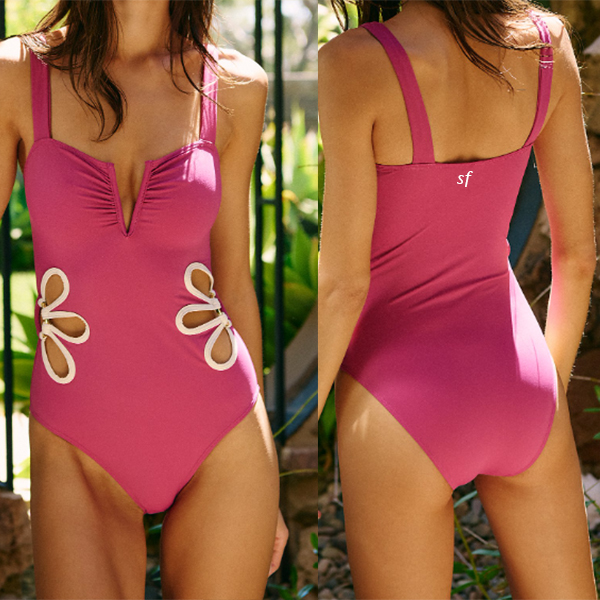
Consumers increasingly expect environmental responsibility from fashion brands. Swimwear is under particular scrutiny because traditional nylon and polyester production is resource-intensive and ocean pollution from discarded fishing nets and plastic is a major concern. A sustainable monokini — designed with recycled yarns, low-impact processes and end-of-life planning — addresses both ethical expectations and a growing market demand.
What Makes a Monokini “Sustainable”?
True sustainability covers three layers:
Raw material — recycled or bio-based fibers (e.g., ECONYL®, REPREVE®).
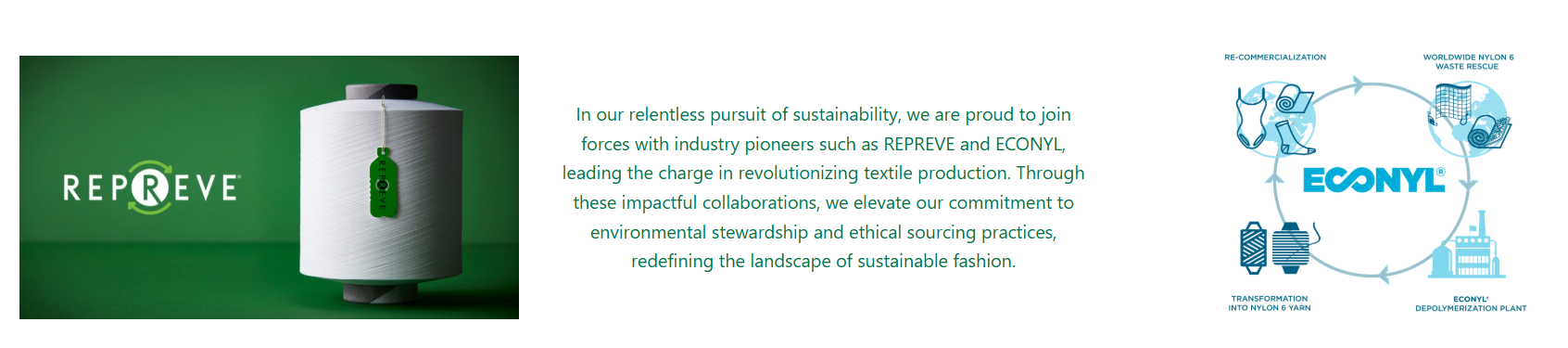
Manufacturing — low-waste cutting, water-efficient dyeing, and clean energy.
End of life — recyclability or clear take-back programs.
Designers must balance elasticity and recovery requirements for monokinis with these sustainability constraints — the right fiber selection and construction approach make the difference between a greenwashed product and a truly durable, sustainable piece.
Eco-friendly Fabrics: Comparison Table
Below is a practical comparison of commonly used sustainable swimwear materials for monokinis.
| Fabric / Fiber | Source | Benefits | Limitations | Best Use |
|---|---|---|---|---|
| ECONYL® (Regenerated Nylon) | Recovered fishing nets, carpets, industrial plastic | High recovery, premium hand, close to virgin nylon | Higher cost; supply depends on regenerators | Luxury monokinis & high-compression pieces |
| REPREVE® (Recycled Polyester) | Recycled PET bottles | Good color retention, durable, lower carbon footprint | Less elastic than nylon blends | Printed monokinis and mid-market ranges |
| Amni Soul Eco® / Bio-based nylons | Bio-based monomers / biodegradable nylon variants | Biodegradability potential, reduced fossil input | Performance & cost varies; limited availability | Premium eco-design projects |
| Organic Cotton / Hemp blends | Natural fibers | breathable & biodegradable | Poor water performance; not ideal for full swimwear | Hybrid beachwear, cover-ups |
Certifications That Give Credibility
When sourcing sustainable fabrics, certification checks are essential. Key certifications include:
Global Recycled Standard (GRS) — verifies recycled content, chain of custody and social/environmental practices.
OEKO-TEX® Standard 100 — tests for harmful substances in textiles.
BLUESIGN® — assures cleaner production and responsible chemical management.
Global Organic Textile Standard (GOTS) — for organic natural fibers (less common for swimwear).
Practical verification: always ask suppliers for certificate copies and supplier batch codes. Cross-check certificate validity on the issuer’s database to avoid counterfeit claims.
Design & Construction Strategies for Sustainable Monokinis
Materials are only one part of sustainability. Design and construction choices can significantly reduce waste and extend product life:
Digital Placement Printing: Reduces wasted yardage vs. full-bleed printing and ensures pattern alignment around cut-outs.
Zero-waste patterning: Optimize pattern nests to reduce offcuts during cutting.
Bonded seams & narrow coverstitch: Minimize thread usage and increase durability at cut-out edges.
Modular design: Use interchangeable straps or detachable parts to extend wearability.
For cut-out monokinis, edge finish is critical — consider heat-bonding or laser-cut sealed edges for ECONYL® blends to prevent fraying while avoiding heavy overlocking that increases material stress.
Production Challenges & Cost Considerations
Sustainable inputs often carry higher unit costs. Key practical considerations for brands:
M.O.Q. for recycled fabrics can be higher due to batch dyeing and supply limitations.
Sampling rounds: More fittings ensure fabric recovery and cut-out behavior are correct — plan 2–3 prototyping loops.
Inventory planning: Limited runs and pre-orders reduce waste and test demand before full-scale production.
Tip: Consider hybrid strategies — use ECONYL® for body panels (high-wear areas) and REPREVE® for less-structural panels to balance cost and performance.
How to Choose a Sustainable Swimwear Manufacturer
When selecting a manufacturing partner for eco monokinis, evaluate the following:
Evidence of working with certified materials and transparent supply chains.
Manufacturing practices: water recycling, energy efficiency, chemical management.
Experience with digital print and bonded finishing technologies.
Quality assurance processes for stretch & recovery, colorfastness, and seam durability.
If you’re a brand, request a supplier audit report and sample test certificates (AATCC or ISO colorfastness, stretch testing). A credible factory will provide these proactively.
Styles & Market Positioning for Sustainable Monokinis
Sustainable monokinis can be positioned across price tiers:
Premium: ECONYL® blends, seamless bonding, limited edition prints.
Mid-market: REPREVE® prints with reinforced linings.
Accessible / eco-aware: Hybrid designs, recycled trims, and transparent storytelling.
Communicate sustainability with verified claims, transparent production stories, and clear care instructions to maximize lifecycle and justify price premiums.
Conclusion
Creating truly sustainable monokinis requires an end-to-end approach: choose verified recycled fibers, adopt low-waste construction and finishing methods, validate certifications, and work with manufacturers who understand both performance and environmental metrics. When executed correctly, sustainable monokinis are not only better for the planet — they can also become high-value SKUs that resonate with modern, conscientious consumers.